
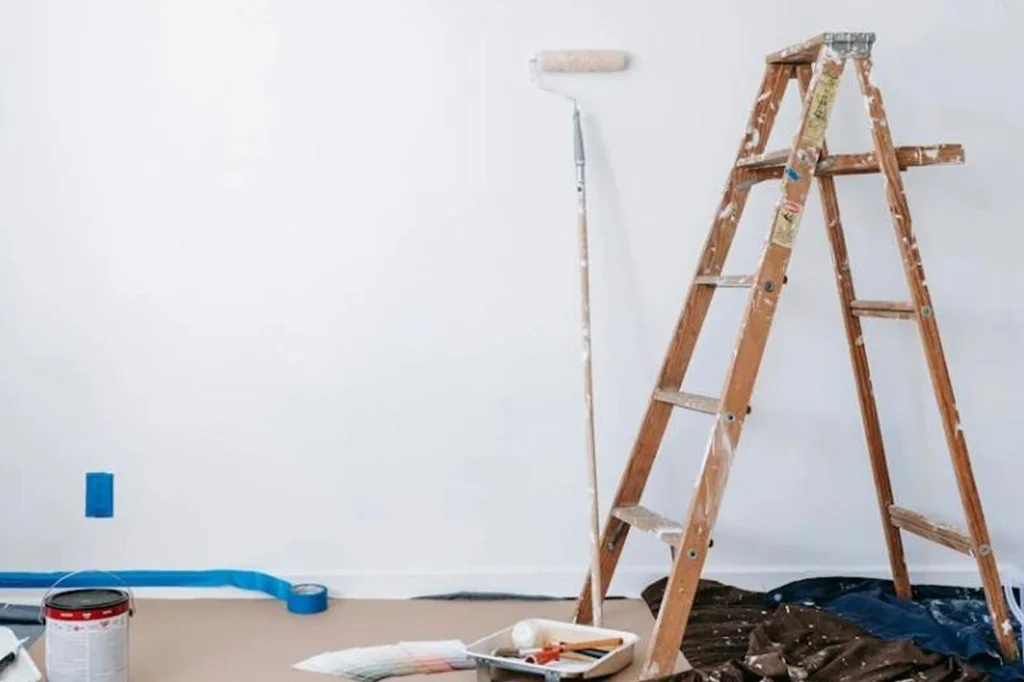
Even for the most enthusiastic DIYers, painting can sometimes feel like a daunting task. While the idea of a fresh coat of color is exciting, it’s easy to fall into common traps that can quickly turn your vision into a frustrating challenge. At Service Doctor Remodeling Studio, we’ve seen it all, and we’re here to share our insights to help Hobart, Indiana homeowners achieve a flawless finish.
The good news? Most painting mistakes are avoidable, and even fixable! Let’s dive into the most frequent missteps and how to ensure your next painting project goes smoothly.
Mistake 1: Skipping Proper Wall Preparation
The Problem: Painting over dirty, dusty, greasy, or damaged walls. This is arguably the biggest culprit behind poor paint jobs. Paint won’t adhere properly, leading to peeling, bubbling, and an uneven finish.
How to Avoid:
- Clean Thoroughly: Always wash walls with a mild cleaner (like TSP substitute) and rinse thoroughly. Allow the walls to dry completely.
- Patch & Sand: Fill all nail holes, cracks, and imperfections with spackle. Sand smooth, then wipe away dust.
- Prime When Needed: Don’t skip primer for bare drywall, patched areas, painting over dark colors, or transitioning from oil-based to latex paint.
How to Fix: If you’ve already painted over dirty walls and notice peeling or poor adhesion, unfortunately, the best fix is usually to scrape off the compromised paint, clean and prep properly, and repaint. It’s more work, but it’s the only way to get a lasting finish.
Mistake 2: Not Taping Properly (or at All!)
The Problem: Uneven, messy lines where walls meet ceilings, trim, or other surfaces. Freehanding might seem faster, but the results often speak for themselves.
How to Avoid:
- Use High-Quality Painter’s Tape: Invest in good quality painter’s tape that offers clean lines and prevents bleed-through.
- Press Firmly: Apply tape carefully, pressing down firmly along the edges with a putty knife or your fingernail to create a tight seal.
- Remove at the Right Time: Remove the tape when the paint is still slightly wet (not fully dry) for the crispest lines. If you wait until it’s completely dry, the paint might crack and peel with the tape.
How to Fix:
- If Wet: Carefully use a damp cloth to wipe away wet paint that’s bled under the tape.
- If Dry: Use a sharp utility knife to gently score the line where the paint meets the tape before pulling. For small bleed-throughs, a small artist’s brush with the surrounding color can touch up mistakes.
Mistake 3: Using the Wrong Roller or Brush
The Problem: Streaky paint, uneven texture, or excessive splatter. Different paints and surfaces require specific tools.
How to Avoid:
- Roller Naps: Use a short nap (1/4″ to 3/8″) for smooth surfaces and higher sheen paints. Use a medium nap (1/2″ to 3/4″) for lightly textured walls and ceilings. A longer nap (3/4″ to 1″) is for very textured surfaces like stucco.
- Brush Types: Synthetic brushes are best for latex/water-based paints. Natural bristle brushes are ideal for oil-based paints. Use angled brushes for cutting in precise lines.
- Don’t Skimp on Quality: Cheap brushes and rollers shed bristles, leave lint, and deliver poor results.
How to Fix: If the texture is bad, you might need to lightly sand the wall once the paint is dry and apply another coat with the correct roller/brush.
Mistake 4: Overloading Your Brush or Roller
The Problem: Drips, runs, thick patches, and inefficient paint use. Too much paint on your tool means less control.
How to Avoid:
- Rollers: Only load the bottom half of the roller cover by rolling it slowly in the tray. Don’t submerge the entire roller.
- Brushes: Dip only the bottom third of the bristles into the paint. Tap off excess on the side of the can; don’t wipe it against the rim.
How to Fix:
- If Wet: Use a clean, dry brush or roller to gently feather out drips and runs.
- If Dry: Lightly sand down the dried drips or thick spots with fine-grit sandpaper, then clean the area and touch up or repaint.
Mistake 5: Not Letting Paint Dry Between Coats
The Problem: Peeling, uneven coverage, or a “tacky” finish that never fully hardens.
How to Avoid:
- Read the Can: Always follow the manufacturer’s recommended drying times between coats, usually found on the paint can label. Humidity and temperature can also affect drying times.
- Be Patient: Even if the paint feels dry to the touch, it might not be fully cured. Err on the side of caution.
How to Fix: If the paint is tacky or peeling, you might need to remove the paint, allow the surface to dry completely, and then reapply correctly.
For a Truly Flawless Finish in Your Hobart Home…
While DIY painting can be rewarding, achieving a truly professional, long-lasting finish often requires experience and attention to detail. At Service Doctor Remodeling Studio, our skilled painters are meticulous about preparation and application, ensuring your home looks its absolute best without the common headaches. We handle all the nuances, so you don’t have to!
Ready to avoid painting pitfalls and get a perfect result?
Contact Service Doctor Remodeling Studio today for a free consultation and estimate on your next interior or exterior painting project in Hobart, Indiana, and the surrounding areas!


